It’s a heartbreaking reality, but nursing home abuse continues to affect thousands of elderly residents every year across the United States. Families place their trust in long-term care facilities to provide a safe, respectful environment for their aging loved ones. Instead, many discover that neglect, mistreatment, or even outright abuse has occurred behind closed doors.
The common reasons for nursing home abuse reveal a disturbing pattern of systemic failure: understaffing, poor training, inadequate oversight, and profit-driven management. These issues don't just result in substandard care. They can also lead to catastrophic injuries, emotional trauma, and premature death.
If your loved one has suffered harm in a care facility, a nursing home abuse lawyer can help uncover what went wrong and explain your legal options. Whether you're in Los Angeles or elsewhere in the U.S., knowing what causes abuse is the first step toward accountability.
Key Takeaways for Nursing Home Abuse Causes
- Nursing home abuse happens far more often than reported, with vulnerable residents facing serious harm due to systemic failures.
- Understaffing, poor training, and corporate cost-cutting are some of the main causes of nursing home neglect and abuse in the U.S.
- Abuse can take many forms, including physical, emotional, financial, and sexual, and it often goes undetected by families.
- State and federal oversight mechanisms often fall short, leaving families to serve as their loved one’s most reliable line of protection.
- A nursing home abuse lawyer can help you hold negligent facilities accountable and fight for justice for your loved one.
How Common Is Nursing Home Abuse in the United States?
Elder abuse in institutional settings is more prevalent than many people realize. A study published by the World Health Organization found that over 64% of nursing home staff admitted to committing some form of abuse in the previous year. This includes verbal abuse, physical violence, emotional cruelty, neglect, and financial exploitation.
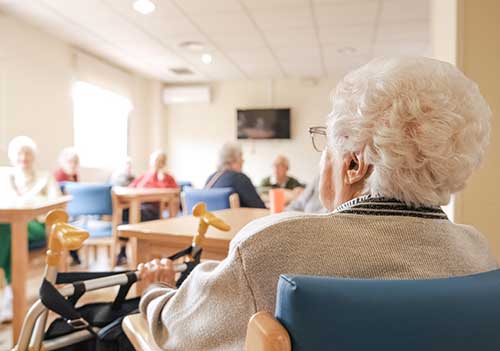
In one Georgia study published by the National Library of Medicine, 44% of nursing home residents reported being abused, and 48% said they had been treated roughly. The same study also cites a U.S. House of Representatives report that found that nearly one-third of certified nursing homes had been cited for abuse violations over a two-year period.
Even more troubling is the lack of reporting. According to the National Center on Elder Abuse, only 1 in 24 cases of elder abuse ever gets reported to authorities. Residents may be afraid of retaliation, unable to communicate the abuse, or unaware of their rights.
In California, the numbers are even more alarming. One report by the California Department of Justice noted that 13% of complaints against long-term care facilities involved abuse or neglect, more than double the national average.
Why Does Nursing Home Abuse Happen?
Many of the most common reasons nursing home abuse occurs stem from deeply rooted problems in how long-term care facilities are staffed, funded, and monitored. Abuse doesn’t always come from a place of malice, although sometimes it does, but from institutional breakdowns that allow or even encourage harmful behavior.
Let’s look more closely at the causes.
Understaffing: The root of many nursing home failures
Most nursing homes operate with dangerously low staffing levels. This chronic understaffing means fewer caregivers are responsible for too many residents, leading to rushed, inadequate, or missed care.
Understaffing leads to abuse or neglect in a number of ways:
- Basic needs like feeding, bathing, and repositioning go unmet.
- Medical issues, such as infections or pressure ulcers, are overlooked.
- Overwhelmed staff may become irritable, short-tempered, or abusive.
- Facilities may hire unqualified or poorly vetted workers to fill staffing gaps.
Legal and medical professionals recognize understaffing as a major risk factor for both physical harm and emotional abuse in nursing homes. Some facilities even operate with below-minimum staffing to reduce costs, putting profits before safety.
Poor staff training and supervision
Even when staff numbers appear sufficient, training often falls short. Many facilities hire aides and caregivers with little to no experience, then fail to provide ongoing education or proper supervision.
Inadequate or poor staff training can result in:
- Unsafe medication handling and administration
- Improper lifting and transferring techniques that cause injuries
- Missed signs of infection, dehydration, or malnutrition
- Poor communication with residents, especially those with cognitive impairments
When staff members aren’t trained to handle residents with dementia, Alzheimer’s, or behavioral issues, situations can escalate quickly, sometimes ending in abuse or neglect. Without proper supervision, these incidents may go unnoticed for weeks or even months.
Corporate greed and cost-cutting
Nursing home abuse isn’t just a staffing or training issue. Often, it starts at the top.
In recent decades, many long-term care facilities have become part of larger corporate chains or private equity portfolios. These for-profit models focus on maximizing revenue — even if it means slashing budgets for food, hygiene supplies, and medical care.
Here are some signs that corporate negligence may be contributing to abuse:
- Low staff-to-patient ratios
- Delayed facility repairs or poor sanitation
- Ignored complaints from residents or family members
- Increased use of chemical restraints or overmedication
Greed doesn't always show up in the budget. It shows up in bruises, untreated infections, and families who realize too late that their loved ones were suffering in silence.
High staff turnover and burnout
Working in a nursing home is emotionally and physically demanding. Without support or fair compensation, caregivers often leave for better jobs, leading to high turnover rates and inconsistent care.
Facilities with constant staff turnover may fail to:
- Establish meaningful caregiver-resident relationships
- Maintain proper care records or medication schedules
- Catch early warning signs of health or behavioral changes
Burnout also plays a role. Tired, frustrated caregivers are more likely to lash out, ignore residents' needs, or engage in abusive behavior. This creates a dangerous environment, especially for residents who rely entirely on staff for basic daily tasks.
Resident vulnerability and isolation
Some residents are more at risk than others, particularly those with physical disabilities or cognitive decline. Residents with Alzheimer’s or dementia may be unable to express when something is wrong, or they may not be believed even if they try.
Key factors that make residents increasingly vulnerable to abuse include:
- Inability to speak clearly or remember events
- Fear of retaliation if they report abuse
- Lack of frequent visits from loved ones
- Dependence on caregivers for all daily tasks
Families often rely on nursing homes to provide care they cannot manage alone. But in facilities where abuse or neglect occurs, that trust is easily broken, and the consequences for vulnerable residents can be life-threatening.
Resident-on-resident abuse
Not all abuse in nursing homes comes from staff. In some cases, one resident may harm another. This often happens in poorly supervised settings or when residents with behavioral issues are left without proper support. Common forms of resident-on-resident abuse include:
- Verbal or physical attacks during group activities
- Inappropriate sexual behavior
- Bullying or emotional intimidation
Facilities have a duty to protect residents from each other, especially when there is a known risk of aggression. Failing to separate hostile or unstable residents is a form of neglect.
The Hidden Harm of Emotional Abuse
Unlike physical mistreatment, emotional abuse in nursing homes often leaves no visible marks, but the damage runs deep. Residents may experience belittling, humiliation, isolation, or threats, often at the hands of overworked or improperly trained staff.
This form of abuse can be particularly dangerous for residents with cognitive challenges, who may already feel confused or vulnerable. Common signs of emotional abuse include:
- Sudden withdrawal from social activities
- Fearfulness around certain staff or residents
- Unexplained changes in mood or behavior
- Repeated reports of being ignored or spoken to harshly
Emotional abuse may go unnoticed by families, especially if visits are infrequent. But when left unaddressed, it can worsen medical conditions and lead to severe mental health struggles like depression or post-traumatic stress disorder.
Why Does Nursing Home Abuse Go Unreported So Often?
Despite clear legal requirements for mandatory reporting, abuse continues to fly under the radar in many care facilities. One reason is fear. Residents may worry about retaliation or being labeled a troublemaker. In some cases, they simply aren’t believed.
From a facility’s perspective, reporting incidents may expose them to legal liability or threaten their license. Some administrators pressure staff to stay quiet or downplay serious incidents.
Other factors that contribute to underreporting:
- Residents with memory loss struggle to recall or explain events
- Staff may not recognize certain behaviors as abuse or neglect
- Family members might misinterpret symptoms as typical aging
- Facilities may falsify records or delay incident reporting
According to an Office of Inspector General (OIG) report, many California nursing homes failed to report serious abuse incidents in the required time frame. This lack of transparency means that families must stay alert and ready to act to correct problems that they notice.
Signs of Nursing Home Abuse Families Should Watch For
The first clue that something is wrong is often subtle. A change in mood. A bruise that doesn’t have an explanation. A decline in appetite. These may seem like minor issues, but when taken together, they can point to abuse or neglect.
Here are some red flags you should never ignore:
- Unexplained injuries such as bruises, cuts, or fractures
- Sudden weight loss, malnutrition, or signs of dehydration
- Bedsores or infections that go untreated
- Emotional distress, withdrawal, or fear of specific individuals
- Poor hygiene, dirty clothing, or soiled bedding
If you notice any of these signs, speak up. Keep detailed records, take photos, and ask questions. Your observations may be the key to protecting your loved one and others in the facility.
Who Is Legally Responsible for Abuse?
Determining liability in nursing home abuse cases often requires a thorough investigation. In most situations, the facility itself may be held accountable, not just the individual caregiver. This is especially true when abuse stems from policies, understaffing, or management decisions.
Other parties who may share liability:
- Third-party contractors, such as cleaning or security staff
- Medical providers who fail to report signs of abuse
- Corporate owners who prioritize profits over patient care
Every state has its own laws outlining who may be held liable. In California, for example, facilities can be held responsible under the Elder Abuse and Dependent Adult Civil Protection Act for neglect or abuse that results in harm, pain, or mental suffering.
How to Report Nursing Home Abuse
If you suspect abuse, your first priority is protecting your loved one. In cases of immediate danger, call 911. Otherwise, reporting the situation to the right agency can help launch an investigation and potentially stop further harm.
Where to report abuse in the U.S.:
- Long-Term Care Ombudsman Program: Investigates complaints from residents and families
- Adult Protective Services (APS): Investigates abuse of vulnerable adults in each state
- State Survey Agencies: Monitor and inspect nursing homes nationwide
- Eldercare Locator: Connects families to local resources (1-800-677-1116)
Additional California reporting options:
- California Department of Public Health (CDPH): Regulates nursing homes (Los Angeles: 800-228-1019)
- Adult Protective Services California Hotline: 833-401-0832
- Long-Term Care Ombudsman 24/7 Line: 800-231-4024
- Department of Social Services (CDSS): Handles assisted living facilities
Once a report is made, be prepared to document everything. Keep notes of conversations, collect medical records, and save any related communications with the facility.
What a Nursing Home Abuse Lawyer Can Do for You
After you report the incident, the next step may involve pursuing legal action. A nursing home abuse lawyer can help you gather evidence, identify all responsible parties, and take steps toward holding the facility accountable.
Many families wait too long, hoping things will improve. But the longer you delay, the harder it can be to uncover the truth. Prompt legal action can prevent additional harm not just for your loved one, but for other residents who may also be at risk.
In California and other states, filing deadlines (known as statutes of limitations) apply. Your attorney will help ensure all deadlines are met and that your claim is supported by solid documentation.
FAQs About Reasons for Nursing Home Abuse
What should I do if my parent won’t talk about their nursing home experience?
Many elderly residents stay silent out of fear, confusion, or shame. Try asking open-ended questions during private visits. Look for non-verbal signs of distress and speak with other staff or residents if needed. Keep notes of anything unusual.
Can a facility be held liable if the abuse came from another resident?
Yes. Nursing homes are required to protect all residents from foreseeable harm, including aggression from others in the facility. If staff ignored warning signs or failed to separate residents, the facility may share responsibility.
Are financial scams by nursing home staff considered abuse?
Yes. Financial exploitation is a serious form of elder abuse. If staff are stealing personal items, manipulating residents, or accessing bank information, legal action may be warranted.
Is it still considered abuse if there was no physical injury?
Yes. Emotional abuse, neglect, and verbal harassment all qualify, even if no physical harm occurred. These actions can still have devastating consequences on a resident’s health and well-being.
How much does it cost to hire a nursing home abuse attorney?
Most attorneys in this field offer free consultations and work on a contingency basis. That means they only receive payment if they help you secure compensation. There are no upfront fees in most cases.
Getting Help Starts with Speaking Up
If you’re seeing warning signs of neglect or abuse, your instincts may already be telling you something’s wrong. Don’t wait for confirmation. Nursing home residents are among the most vulnerable people in our communities, and they need advocates who will speak up when care fails.
Bringing attention to these issues isn’t about assigning blame. It’s about accountability, dignity, and stopping harm before it continues. A dedicated nursing home abuse attorney can guide you through the legal process, answer your questions, and fight for the justice your family deserves.
If you or someone you love has been harmed in a nursing home in Los Angeles or the surrounding area, it’s time to take the next step.
Call the Trial Lawyers Other Lawyers Trust
The nursing home abuse attorneys at Greenslade Cronk are known throughout Southern California for handling some of the most serious and high-stakes injury cases, including complex nursing home abuse claims. Other law firms rely on us when they need skilled litigators who take on difficult cases.
You’ll have direct access to the legal team handling your case, every step of the way. At Greenslade Cronk, we don’t take shortcuts or settle early for convenience. We fund cases fully, build them meticulously, and seek results that deliver justice, not just closure.
If someone you care about has suffered serious harm in a nursing home, it’s time to explore your options. Call Greenslade Cronk at (323) 747-7474 or contact us online to schedule a free, confidential consultation. Your family’s story deserves to be heard — and fought for.