Placing a beloved family member in a nursing home is a profound act of trust. You trust that the facility and its staff will provide the dedicated care, safety, and respect your loved one deserves. When that trust is broken, the sense of betrayal can be devastating.
Learning to recognize the signs of nursing home abuse is the first, most crucial step toward protecting your family member and holding negligent parties accountable. These signs are not always obvious; they can be subtle changes in behavior, unexplained physical marks, or concerning financial discrepancies. They fall into several categories, including physical, emotional, financial, and the quiet but equally dangerous category of neglect.
Key Takeaways about Recognizing the Signs of Nursing Home Abuse
- The signs of nursing home abuse can be physical, such as unexplained bruises or broken bones, or emotional, like sudden withdrawal and fear.
- Neglect is a common form of mistreatment and often appears as poor hygiene, untreated bedsores, or significant weight loss.
- Financial exploitation can involve missing belongings, sudden changes to a will, or unusual bank account activity.
- California law, specifically the Elder Abuse and Dependent Adult Civil Protection Act, provides legal protections for residents in care facilities.
- Documenting all observations, reporting concerns to authorities, and understanding legal options are critical steps when abuse is suspected.
Understanding the Different Categories of Elder Abuse
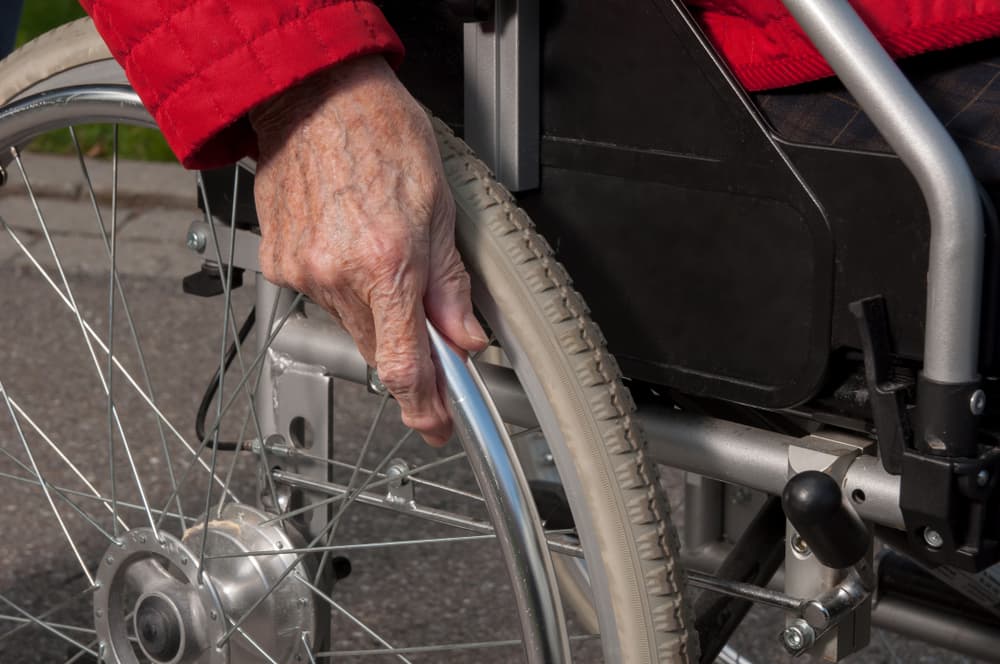
When people think of abuse, they often picture physical harm. While that is a tragic reality for many, mistreatment in a care facility can take several different forms. It’s important to be aware of the full spectrum of potential harm, as emotional abuse or neglect can be just as damaging as a physical injury.
These forms of mistreatment often overlap. For example, a resident who is being neglected may become withdrawn and depressed, showing signs of both neglect and emotional distress. By understanding each category, you can better identify specific red flags and piece together what might be happening when you are not there.
Physical Signs of Nursing Home Abuse
The most visible indicators of mistreatment are often physical. While minor bumps or bruises can happen, a pattern of injuries or an injury that doesn't match the explanation given by staff should raise immediate concerns. You know your loved one's physical condition best, so pay close attention to any new or recurring issues.
Common physical signs to watch for include:
- Unexplained Injuries: This includes bruises, welts, cuts, or scars, particularly if they appear symmetrically on both sides of the body, such as on both upper arms.
- Fractures and Sprains: Broken bones, sprains, or dislocations that the facility cannot adequately explain are serious red flags.
- Signs of Restraint: Look for rope marks, strap marks, or bruises on the wrists and ankles, which could indicate that physical or chemical restraints are being used improperly.
- Medication Issues: Signs of over-medication (unusual drowsiness) or under-medication (worsening symptoms of a condition) can point to serious errors or intentional harm.
- Broken Personal Items: Broken eyeglasses, hearing aids, or other personal items can be a sign of a physical altercation or rough handling.
It is crucial to ask direct questions about any injuries you observe and document the staff's responses to establish a record of what you were told.
Emotional and Behavioral Changes to Watch For
The emotional wounds of abuse can be invisible but are deeply damaging. This type of mistreatment includes verbal assaults, threats, intimidation, and isolation. The goal is often to control, humiliate, or frighten the resident. Because the evidence isn't physical, you must be attuned to your loved one’s mood and behavior.
Be alert for these emotional and behavioral shifts:
- Sudden Withdrawal or Fear: Your loved one may stop participating in activities they once enjoyed or become unusually quiet and non-communicative. They might seem fearful, anxious, or agitated, especially around specific caregivers.
- Depression or Confusion: An unexplained onset of depression, confusion, or disorientation can be a response to a distressing environment.
- New Repetitive Behaviors: The development of new habits like rocking, sucking, or mumbling can be a self-soothing response to trauma.
- Reluctance to Speak: A resident may be hesitant to speak in front of staff or may stop communicating with you altogether, either out of fear of retaliation or shame.
Observing these changes requires spending quality time with your loved one and creating a safe space for them to talk. Visiting at different times, including evenings or weekends, can give you a more complete picture of their daily life and interactions within the facility.
Uncovering Financial Exploitation in a Nursing Home Setting

Financial abuse is a particularly insidious form of mistreatment that preys on a resident's trust and potential vulnerability. It can be carried out by staff members, other residents, or even outside individuals who gain access to the resident. This abuse can drain a lifetime of savings and leave a resident feeling powerless.
Keep an eye out for these financial warning signs:
- Missing Possessions: Personal belongings like cash, checkbooks, credit cards, jewelry, or electronics disappearing from the resident's room.
- Unusual Financial Activity: Unexplained withdrawals, large transfers between accounts, or new names being added to a bank account or credit card.
- Changes to Legal Documents: Abrupt and unexpected changes to a will, trust, power of attorney, or property titles. Power of attorney is a legal document that gives one person the authority to make financial or medical decisions for another.
- Unpaid Bills: A sudden pile of unpaid bills or eviction notices when the resident has adequate financial resources can indicate that someone is redirecting their funds.
- Forged Signatures: Signatures on checks or legal documents that do not match your loved one’s handwriting.
These signs often come to light when a family member who helps manage finances notices something is amiss. Regular, gentle oversight of a loved one's financial situation is a key preventative measure.
Identifying the Quiet Danger: Signs of Nursing Home Neglect
Neglect is not an active attempt to cause harm but rather a failure to provide the necessary care. According to the National Institute on Aging, neglect is the most common form of elder mistreatment. This failure can be just as deadly as direct abuse, leading to severe illness, injury, or death. It often happens in facilities that are understaffed or that prioritize profits over resident well-being, which leads to a failure to meet the required standard of care. The standard of care is the level of attention and caution that is expected of a reasonable professional in a given situation.
Common signs of nursing home neglect include:
- Poor Personal Hygiene: A consistently unkempt appearance, including dirty clothes, unwashed hair, untrimmed nails, and persistent body odor.
- Bedsores (Pressure Ulcers): These painful and dangerous skin wounds are almost always preventable with proper care, such as regular repositioning of residents with mobility issues.
- Malnutrition or Dehydration: Significant weight loss, pale skin, sunken eyes, and chapped lips are all indicators that a resident is not receiving adequate food and water.
- Unsanitary Living Conditions: A dirty room, soiled bedding, pest infestations, or hazardous conditions like wet floors or poor lighting.
- Lack of Medical Attention: Worsening health conditions, untreated infections, or a failure to provide necessary aids like glasses, walkers, or dental care.
These conditions are unacceptable and often violate California's strict regulations for residential care facilities. Under the California Elder Abuse and Dependent Adult Civil Protection Act (EADACPA), facilities have a legal duty to provide a safe environment and proper care.
What to Do When You Suspect Nursing Home Abuse in California
If your observations lead you to suspect that your loved one is a victim of abuse or neglect, it is vital to act. Taking calm, methodical steps can help protect them from further harm and begin the process of holding the responsible parties accountable. From the neighborhoods of the San Fernando Valley to the communities of Orange County, families deserve to know how to respond effectively.
Here are four essential steps you can take:
- Document Everything in Detail. Start a journal to record your observations. Note the date, time, and specifics of any injury, behavioral change, or poor living condition you witness. If you can do so respectfully and without violating your loved one's privacy, take pictures of injuries and unsanitary conditions. Keep a log of who you speak to at the facility and what they say.
- Raise Your Concerns with Management. Schedule a meeting with the nursing home administrator or the director of nursing. Present your concerns calmly and clearly, using your documentation as a reference. Follow up with a formal letter or email summarizing the conversation to create a written record.
- Report the Abuse to Official Agencies. You do not have to rely on the facility to police itself. You can and should file a formal complaint with the California Department of Public Health (CDPH), which is responsible for licensing and investigating nursing homes. You should also contact your local Adult Protective Services (APS) agency, which investigates reports of abuse involving elders and dependent adults.
- Discuss Your Options with a Legal Advocate. Understanding your legal rights is a powerful step. An attorney focused on these cases can explain the protections available under California law, investigate the facility's history, and advise you on the path to securing justice and compensation for the harm your loved one has suffered.
Taking these actions can feel daunting, but they are critical for ensuring your loved one's safety and well-being.
Signs of Nursing Home Abuse FAQs
Here you can find answers to some common questions families have when trying to identify and address potential mistreatment in a care facility.
How can I tell the difference between signs of aging and signs of abuse?
This can be challenging, as some health issues common in older adults, like bruising easily or cognitive decline, can overlap with signs of abuse. The key is to look for patterns, frequency, and a lack of credible explanations. A single bruise with a clear explanation is different from recurring bruises on the torso. Sudden, drastic changes in mood or health are also more indicative of a problem than a gradual decline.
What if my loved one is afraid to report the abuse?
Fear of retaliation from caregivers is a very real and common reason why residents do not speak up. They may worry their treatment will worsen or that they won't be believed. It's important to listen to them in a private, safe setting. Reassure them that you are on their side and that you will take steps to protect them. Even if they don't explicitly state they are being abused, their fear itself is a significant red flag.
Are there specific risk factors that make a resident more vulnerable to abuse?
Yes, certain conditions can increase a resident's vulnerability. According to the National Center on Elder Abuse, social isolation and cognitive impairments like dementia are major risk factors. Residents who have few regular visitors may be seen as easier targets. Those with memory problems may be unable to recall or report incidents of abuse, and abusers may exploit their confusion.
Can a nursing home be held responsible for abuse committed by another resident?
Yes. Nursing homes have a duty to provide a safe environment for all residents. This includes adequately supervising residents and protecting them from harm, whether it comes from staff or other residents. If the facility knew or should have known that a resident had aggressive tendencies and failed to take reasonable steps to prevent them from harming others, the facility can be held liable for negligence.
What is the "standard of care" in a California nursing home?
The "standard of care" refers to the level of care and caution that a reasonably competent nursing home or caregiver would provide under similar circumstances. In California, this standard is defined by federal and state regulations that cover everything from staffing levels and medication administration to nutrition and hygiene. A failure to meet this standard that results in harm to a resident is considered negligence.
My loved one has dementia. How can I identify signs of abuse if they can't tell me what's happening?
When a resident cannot communicate verbally, you must become a detective. Pay even closer attention to non-verbal cues and physical signs. Look for unexplained injuries, sudden agitation or fear around certain people, weight loss, or poor hygiene. You can also talk to other residents or their families, as they may have witnessed something. Your observations are critical in these situations.
Let Us Help You Protect Your Loved One
When the trust you placed in a care facility is broken, and your loved one is harmed, you need a powerful and compassionate advocate. At Greenslade Cronk, we stand with families across Los Angeles and California who are facing the difficult reality of nursing home abuse and neglect. We are proven litigators who focus on providing a more transparent and fair process for our clients.
Our purpose is to seek justice for the vulnerable. We are the attorneys that other lawyers trust with their most significant cases because they know we have the resources and the resolve to fight for what is right. We will meticulously investigate what happened to your family member and work to hold the negligent facility accountable.
Contact Greenslade Cronk today at (323) 747-7474 or through our online form for a confidential consultation to discuss your case and learn how we can help.